SYRACUSE · RUGGED PARK DAY
Clark Reservation State Park With Kids: A Rim-First Day That Respects the Drop
See the lake from above while everyone is fresh, keep the cliff a boundary instead of a dare, and make the rougher trail an adult decision—not the price of admission.
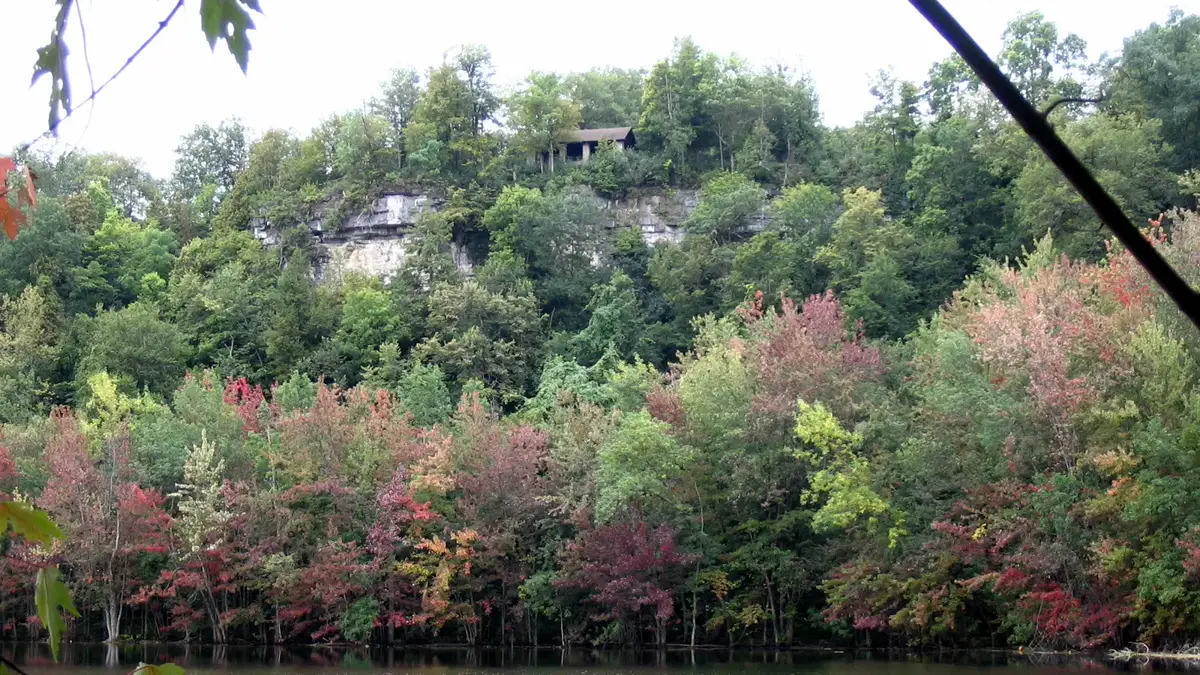
Why this park deserves a short, focused day
Clark Reservation State Park in Jamesville is not a playground with a decorative overlook. New York State Parks describes rocky outcrops, rugged cliffs and a glacial plunge-basin lake whose surface and bottom waters do not mix. It also says the Cliff Trail includes a ledge 175 feet above the water. That combination creates a memorable local outing and a simple planning rule: the edge is the main hazard, not a photo opportunity.
The park works best as a two- to three-hour Syracuse-area adventure. It is shorter and rougher than the Green Lakes family day, less structured than the Rosamond Gifford Zoo plan, and easier to abandon early than a long Finger Lakes drive. Families get a big-landscape feeling without turning the day into an endurance test.
Current facts to verify before leaving
- Address and contact: 6105 East Seneca Turnpike, Jamesville, New York; 315-492-1756.
- Park hours: the official page currently lists year-round access from sunrise to sunset.
- Nature Center: its listed season is mid-May through Labor Day. On September 8, that means families should assume it is closed unless the park says otherwise.
- Vehicle fee: the current page lists a $5 passenger-vehicle fee at an automated pay station from 8 a.m. to 6 p.m. The machine accepts coins, $1 and $5 bills and credit cards, and does not make change. Fees and collection dates can change.
- Pets: up to two are allowed in day-use areas unless a sign or directive says otherwise. They must be supervised and crated or on a leash no longer than six feet. Proof of rabies vaccination may be requested. Pets are excluded from several facility types, including playgrounds and buildings.
- Accessibility: the official page directs visitors to call the park for current accessibility details. Do that before relying on a specific surface, slope, shelter or restroom.
- Shelters: rentals are listed from mid-May to Columbus Day, 9 a.m. to sunset, with advance contact required. A shelter reservation is not needed for this basic itinerary.
These details were checked September 8, 2026. Open the official page and trail map again on departure morning. A storm, maintenance closure or damaged trail can matter more than any evergreen itinerary.
The rim-first family itinerary
Before the car moves: set the edge rule
Tell children exactly what the terrain changes: near an overlook or cliff, they stay on the marked route and beside the assigned adult. No running ahead, climbing barriers, throwing objects, scrambling for a better angle or stepping around another group. The rule is not negotiable after arrival.
Download the official trail map. Choose one adult navigator and decide the turnaround time before leaving home. The family weather-cutoff plan is useful here because wet rock, thunder, wind and poor visibility can change an otherwise short walk.
Arrival to 20 minutes: facility check and orientation
Arrive in daylight with enough time to finish well before sunset. Pay the posted fee, photograph the trailhead map and check current signs. Use an available restroom early; if facilities are closed or unsuitable, shorten the plan rather than assuming a school-age child can wait through a rugged loop. The bathroom-stop system gives the family a clean fallback.
Do not begin by promising the lake level. Start in the upland area and let the group settle. If the Nature Center is open, it can provide context, but it is a seasonal bonus rather than the hinge of the trip.
20 to 65 minutes: the controlled overlook block
Follow the current marked route toward the principal lake-and-cliff experience. Keep the family together and use established viewpoints only. The official description of a 175-foot ledge is enough reason to treat every exposed section conservatively. A child who bolts, freezes, climbs or cannot follow the edge rule should not be taken onto an exposed trail.
Pause once to look across the basin. Ask kids to find the cliff layers, the lake surface and one sign of seasonal change. That makes the stop an observation instead of a race to the next marker. Take the family photo from stable ground, then put the phone away while moving.
65 to 110 minutes: choose the ordinary loop
After the view, choose a marked upland woodland or meadow route shown on the current map. Do not invent a shortcut between switchbacks or social trails. The best second act is intentionally ordinary: walking, noticing birds and plants, and returning with attention left.
A lower, rockier trail is optional. Skip it after rain, with slick footwear, when leaves hide footing, when water or erosion affects the route, or when any family member is tired. Never descend merely because another group does. Turnaround is a successful decision, not a failed hike.
110 to 150 minutes: picnic and clean exit
Eat at a lawful developed picnic spot away from cliff edges. Pack a compact lunch that does not require a complicated setup. Keep food controlled around wildlife, collect every scrap and use the restroom before driving when available. The day-trip cooler guide keeps the meal small enough to carry without distracting from child supervision.
Leave before the group is depleted. If everyone wants more movement, the playground can be a final option when open and appropriate, but pets are not permitted there. Do not add another destination just because the Clark loop was short.
What to pack
- Closed, traction-focused footwear; no smooth casual soles for wet or leaf-covered rock.
- Water, compact food and required medication in an adult-controlled bag.
- Downloaded official map plus a charged phone; reception is never the navigation plan.
- Weather layer, sun protection and tick-aware clothing for the season.
- A small first-aid kit and the family separation script.
- Leash, waste bags and rabies documentation if bringing a permitted pet.
- Cash denominations the pay station accepts as a backup to a card.
Food, restrooms and accessibility
Treat food as self-supplied and facilities as something to verify. The park lists shelters and picnic recreation but does not promise a café. Pack out trash and do not feed wildlife. Ask every child about the restroom before leaving the developed area, not halfway around a loop.
“Short” does not mean accessible. Rock, roots, grades and exposed terrain can turn a modest distance into a hard outing. The official accessibility direction is to contact the park. Call if wheelchair access, stroller use, a stable surface, an accessible restroom or a particular shelter decides the trip. A rugged trail is not improved by forcing a stroller across it.
Weather and kid-meltdown backups
Rain or wet rock: keep to stable developed areas or leave. Thunder: do not remain at an overlook, under an isolated tree or beside a cliff; return to a substantial building or enclosed vehicle and follow official weather guidance. Heat: shorten the route, use shade and start earlier. Wind: increase the buffer from edges and skip exposed sections. Ice or snow: treat the day as a different trip requiring current park guidance and winter competence.
A child refuses near the overlook: back away; do not coach through fear beside the hazard. The lower trail looks rough: skip it. The Nature Center is closed: the landscape remains the destination. The parking or restroom situation fails: use Green Lakes or another developed alternative rather than forcing the original plan.
Who should skip or simplify it
Skip the exposed experience with a child who cannot reliably stop, stay beside an adult or respect marked boundaries. Choose an upland-only visit for uncertain footing, mobility limitations, strong fear of heights or wet conditions. Families seeking swimming should choose another park: swimming is not listed among Clark Reservation's amenities, and the plunge-basin lake should not be treated as a beach. Families needing guaranteed indoor programming should also choose another day because the Nature Center is seasonal.
Official check-before-you-go sources
- New York State Parks: Clark Reservation hours, fees, rules and contact
- New York State Parks: current Clark Reservation trail map
- National Weather Service: lightning safety
- Wikimedia Commons: exact-place photograph and public-domain record

MAKE THE WEEKEND COUNT
Useful beats heroic.
Build the day your family can finish well, then leave enough energy for the ride home.
More family plans