MOST
Best for: two to four indoor hours, hands-on energy, science curiosity and a day when weather should not control most of the plan.
Tradeoff: highest listed admission of the three, optional add-on programming and downtown parking decisions.
SYRACUSE · THREE VENUES · ONE HONEST DECISION
Pick the place that fits today's weather, attention span and parking tolerance—not the place that sounds most ambitious in the group text.
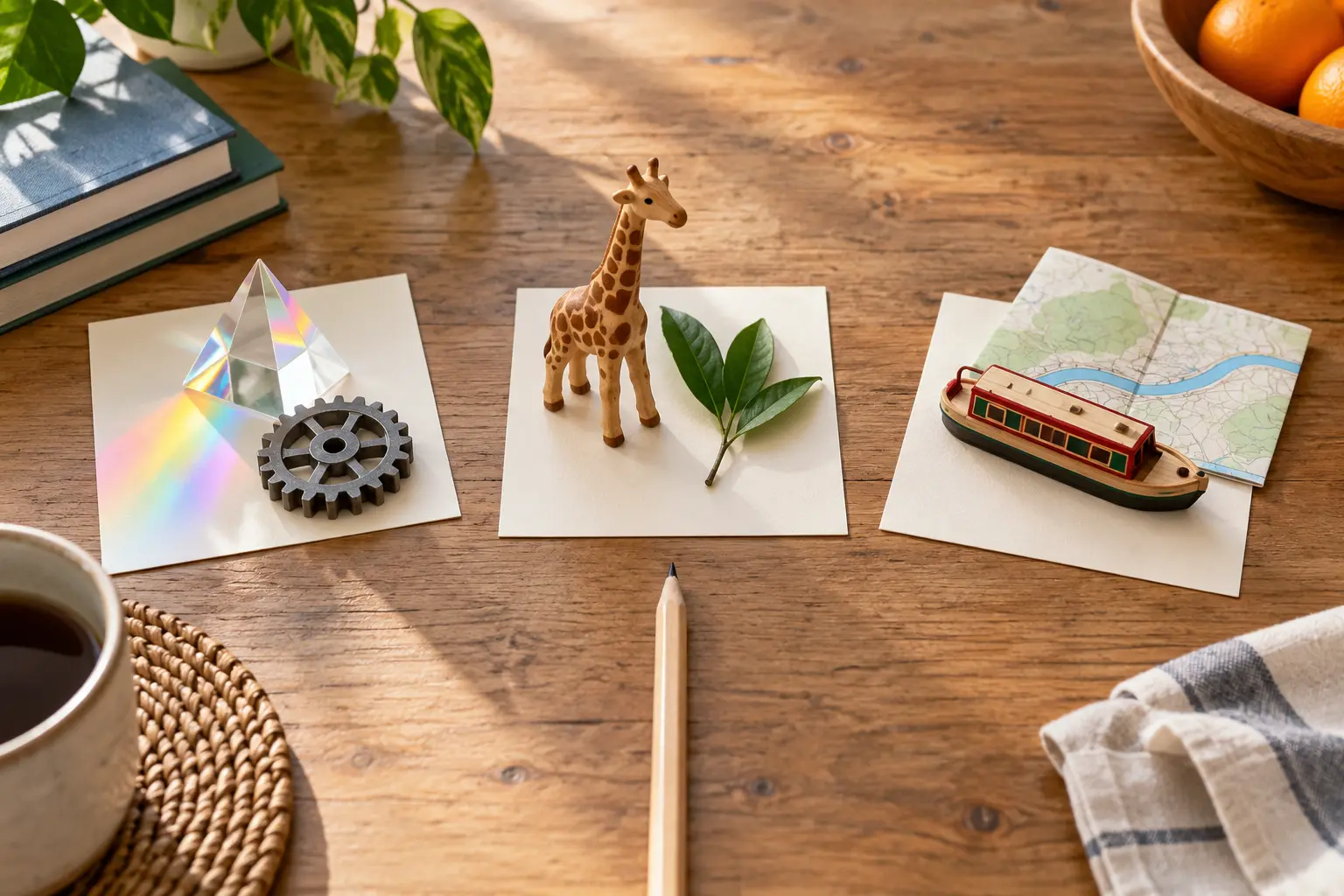
This is not a ranking. A family with two energetic children and four open hours needs a different answer from a family with one tired child and 75 minutes before dinner. The Museum of Science & Technology, Rosamond Gifford Zoo and Erie Canal Museum are all legitimate family outings. The useful question is which one fits the day you actually have.
This comparison uses the venues' official visitor information checked October 4, 2026. Hours, prices, parking and construction can change. Recheck the linked official page before leaving. For exhibit-by-exhibit plans, use the separate MOST family guide, Rosamond Gifford Zoo guide and Erie Canal Museum guide.
Weather is the hard limit: MOST is the cleanest mostly-indoor choice. The zoo says roughly 60 percent of its exhibits are indoors, but a satisfying visit still requires outdoor movement between areas. The Canal Museum is indoors, yet downtown arrival and parking still happen outside.
Budget is the hard limit: the Erie Canal Museum currently uses pay-what-you-wish admission and recommends $12. MOST currently lists $18 for adults, $14 for ages 2–15 and free admission under age two; its ExploraDome is a separate $6. The zoo currently lists March-through-December admission at $9 for adults, $5 for ages 3–17 and free for children two and younger. These figures are planning references, not promises. Recheck the official ticket page.
Energy is the hard limit: choose the Canal Museum when everyone can manage a compact, observation-heavy stop. Choose the zoo when walking will help rather than hurt. Choose MOST when children need to touch, build and move between interactive exhibits without committing to an outdoor loop.
Arrive near opening or after the lunch rush. Before entering, name two priority zones and one optional zone. Spend 40 to 50 minutes in the first, take a water and restroom reset, then spend 40 to 50 minutes in the second. Add the optional zone only if everyone is still regulated. Do not try to extract value by touching every exhibit.
MOST currently lists regular public hours Thursday through Sunday, 9:30 a.m. to 5 p.m., with added school-break openings shown on its calendar. Tickets are encouraged but not currently required. Its sensory-friendly schedule is currently the third Sunday of each month from 9–11 a.m. and 4–6 p.m. Confirm the current calendar before using any of those details.
Choose the shortest route that includes two must-see animals and one indoor area. Tell children that animal visibility is never guaranteed. Stop for a snack before hunger becomes the navigation system. If wind, rain or fatigue wins, use an indoor exhibit and leave; do not force the entire grounds because admission was paid.
The zoo currently lists daily hours of 10 a.m. to 4:30 p.m., free parking and accessible indoor and outdoor pathways. It also lists a quiet room, family bathroom and limited first-come mobility equipment. Pets and emotional-support animals are not admitted; service-animal rules have exhibit-specific restrictions. Ask the zoo directly about the family's exact access need.
Start with the 1850 National Register Weighlock Building and ask children to find three clues about how boats, cargo and people moved. Choose one upstairs gallery or one focused theme after that. End while the children can still explain one thing they noticed. The museum currently says it is open daily 10 a.m. to 4 p.m., with visitors able to remain until 5, but construction and renovation can affect the experience.
MOST is at 500 South Franklin Street in Armory Square. Its official directions page points visitors to the public Trolley Lot behind the museum, Center Armory Garage at 218 West Jefferson Street and metered street parking; it says street meters are free on Sundays and holidays. Treat that as volatile. Read signs and verify the current page.
The zoo lists free parking, with overflow and street options when lots fill. Syracuse odd-even street rules can matter. The Canal Museum has separate official parking and accessibility pages. For any downtown stop, assign one adult to unload children only where legal while the driver parks, or keep everyone together and accept the longer walk. Use the family parking-lot plan before the car doors open.
Carry water, one compact snack that fits the venue's current rules, a light layer, required medicine and the smallest realistic child kit. Confirm where food can be eaten instead of opening it beside an exhibit. Use the restroom on arrival and before the drive home. If a food allergy changes the plan, use the day-trip food-allergy system and contact the venue about current policies.
Do not carry a full expedition bag to solve a two-hour urban outing. A phone charger, change of clothes or larger food backup can stay in the vehicle when weather and parking allow safe storage. The goal is enough redundancy to leave calmly, not enough gear to stay indefinitely.
MOST: reduce the plan to one favorite zone and a snack afterward. Zoo: visit one indoor area, see one animal, then leave. Canal Museum: find the weighlock building's big idea, choose one object and stop. A shortened visit still counts.
If the child cannot enter the building, use a five-minute car reset and make a fresh go-or-leave decision. Do not promise a prize for suppressing overload. If all three choices feel too large, use the 45-minute library-night plan or go home.
Skip MOST today if loud, busy interactive space will exceed the family's current capacity and no sensory-friendly window or quiet strategy fits. Skip the zoo when weather, walking, animal disappointment or stroller management will dominate. Skip the Canal Museum when children need sustained gross-motor activity or cannot yet manage a compact history space without touching restricted objects.
MAKE THE DAY COUNT
Build the plan your family can finish well, then leave enough energy for the next part of the day.
More family plans