WATER YOU CAN SEE, REACH AND CLEAN
Family Hydration Gear: Bottles, Reservoirs and the Water Plan
The right system is the one your family will carry, drink from, monitor and reset before the next outing.
Plan the water before choosing the container
Write down the route time, forecast, shade, climbing, refill locations and distance to the car. Check the land manager’s current guidance and whether a listed water source is actually available and potable. Then account for every person, food preparation and the possibility that the outing takes longer than planned.
The National Park Service includes hydration among the Ten Essentials and advises visitors to prepare the water they need for the day. Exact advice can differ sharply by park and conditions. Do not copy a quantity from a cool-weather paved loop into a hot exposed trail. Do not treat a stream or seasonal spigot as guaranteed water without current confirmation and appropriate treatment planning.
Choose the container by the job
Bottles: visible and simple
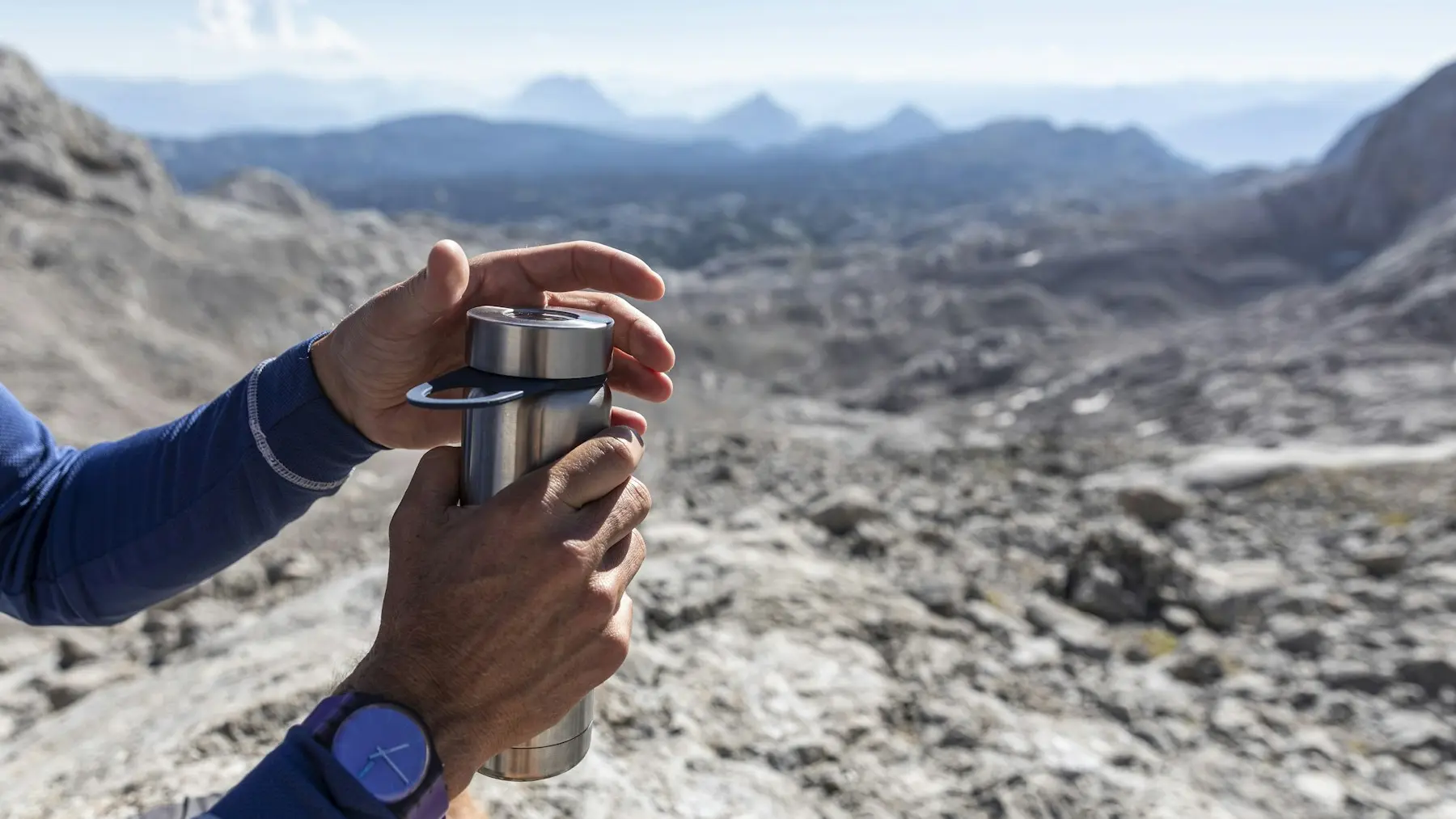
Bottles make remaining water easy to see, divide and ration across packs. They are usually simpler to fill, clean and inspect than a reservoir. A wide opening helps with ice and cleaning; a narrow opening can be easier to drink from while walking. For young kids, test the cap with wet hands and make sure the bottle fits the backpack pocket without ejecting itself every time somebody bends down.
Reservoirs: convenient but hidden
A hydration bladder can encourage frequent small drinks because the hose is immediately available. The tradeoff is that remaining volume is harder to judge and the bladder, hose and bite valve need thorough cleaning and drying. If nobody in the house will do that reset, the convenience is imaginary. Pair a reservoir with a visible backup bottle when the route consequences justify redundancy.
Jugs and cubes: the base-station supply
A stable water jug works at the car, picnic table or campsite. It can refill personal bottles and reduce disposable packaging. Look for a spout that can be locked, a base that will not tip when a child uses it and a shape that fits the real trunk. Keep the day’s carried water separate so the entire supply is not left at a trailhead.
Treatment: a different decision
Carrying water and making questionable water safer are separate systems. Filters, purifiers and chemical treatments do different jobs and have limits. Choose only after reviewing current route guidance, manufacturer instructions and the organisms or contaminants of concern. A straw-shaped product does not make every water source safe.
The family carry system
- Give each capable person a named bottle. It makes ownership and remaining volume visible.
- Keep a responsible-adult reserve. Do not distribute every drop into packs that may wander away.
- Make water reachable. If drinking requires removing the pack and unpacking the cooler, people will delay it.
- Separate trail water from car reserve. The jug at the trailhead cannot help midway through the loop.
- Plan the refill. Confirm operating status, treatment needs and what happens if it is unavailable.
Hydration is not a contest
Encourage regular access and attention to thirst, conditions and individual needs. Do not force large volumes or turn generic advice into a medical guarantee; drinking excessive water can also be dangerous. Food, electrolytes and health conditions can affect the plan. For symptoms, medication questions or personal medical needs, use qualified medical guidance.
The adult’s job is to watch the whole system: pace, heat, shade, water remaining, how the kids are acting and how far the exit is. If the supply or conditions no longer support the plan, turn around.
The no-buy test
Fill the bottles already in the cabinet, place them in the actual bags and take a one-hour local walk. Notice leaks, hard-to-open caps, bottles that fall out and whether anybody drinks. Solve the failure, not the category. A rubber band for identification or a bottle brush may fix more than four new insulated bottles.
Insulation is useful when temperature affects whether people will drink, but it adds weight and bulk. Flavor pods, digital reminders and complicated lids add parts to clean. Buy them only if they solve a repeated family problem.
What not to buy
- An enormous metal bottle for a young child who cannot comfortably carry or open it.
- A reservoir if nobody will clean and fully dry the hose and bladder.
- A filter or purifier without understanding its specific capabilities, limits and maintenance.
- A glass bottle for a rough trail, beach or campsite where breakage creates another hazard.
- A clever lid with six pieces when the family already avoids washing simple bottles.
- Matching containers that make it impossible to tell whose water is whose.
The reset that prevents gross bottles
- Empty all remaining liquid after the outing.
- Disassemble only as the manufacturer directs.
- Wash and rinse every surface that touched the drink.
- Dry bottles, caps, seals, hoses and reservoirs completely before storage.
- Inspect for odor, residue, damage and worn seals.
- Return the dry system to one visible staging area.
A permanent half-full bottle in a hot car is not emergency planning. Store a car reserve according to the container and water supplier’s instructions, rotate it deliberately and still bring fresh route-appropriate water.
A buying framework that keeps the commission out of the decision
Route: how long, hot and remote? User: can each person carry and operate it? Visibility: can the adult see what remains? Access: can it be reached while moving? Cleaning: can every part be washed and dried? Fit: does it stay in the actual pack or cup holder?
The links below compare categories, not winners. We have not claimed hands-on testing of specific products. Check dimensions, materials, care instructions, insulation claims and replacement-part availability.
Official sources
General guidance was checked August 27, 2026. Always use current conditions and site-specific instructions.
- National Park Service: The Ten Essentials
- Grand Canyon National Park: Key Safety Messages
- Great Smoky Mountains National Park: Hiking Safety
Make water part of the outing
Fit the containers into the family daypack system, keep cold drinks and food organized with the cooler guide, and make shade part of the plan with the sun-protection guide.
THE USEFUL STUFF
Compare the container to the carry.
Test the bottles you own first. Buy only to solve fit, access, capacity or cleaning problems.
Paid links: As an Amazon Associate I earn from qualifying purchases. You pay no additional cost.
Reusable trail bottles
Compare loaded weight, cap operation, cleaning access and pack-pocket fit.
See current options → COMPARE ON AMAZONHydration reservoirs
Prioritize pack compatibility, a wide cleaning opening and replaceable parts.
See current options → COMPARE ON AMAZONCamp water jugs
Check stability, spout protection, cleaning access and trunk dimensions.
See current options →