FEWER BITES, LESS DRAMA
Family Bug Protection: Repellent, Clothing and Tick Checks
Choose for the pest, the time outside and the label—then make the after-trip check automatic.
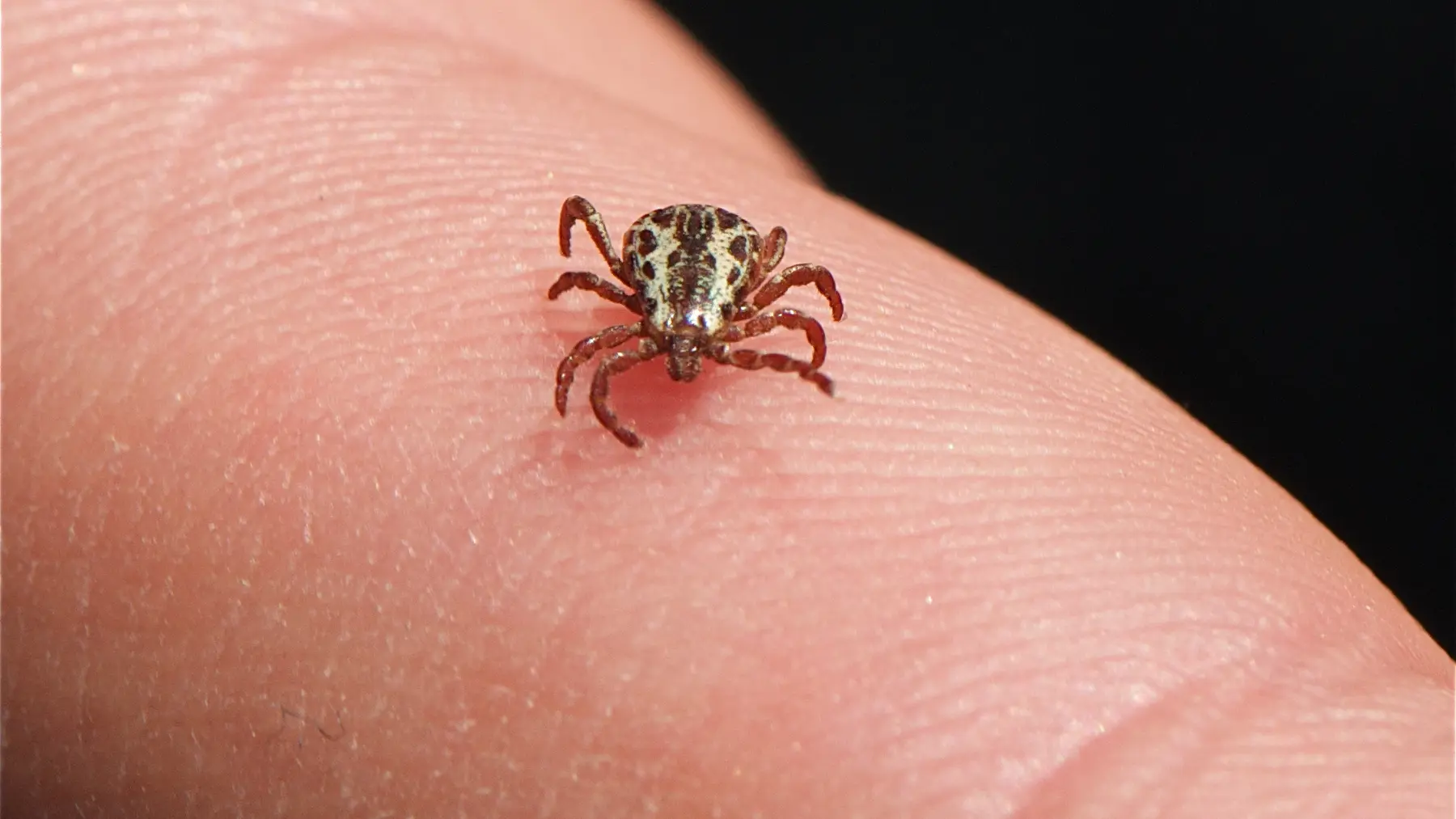
Start with the actual bug problem
Mosquitoes and ticks are not the same planning problem. Exposure also changes by location, season, vegetation, time of day and activity. Check current local health and land-manager information before the trip, especially when disease risk or an advisory is active.
The Environmental Protection Agency’s repellent search tool lets families filter by mosquitoes, ticks or both, expected protection time and active ingredient. That is more useful than grabbing the bottle with the loudest camping label. EPA registration means the product has been evaluated for human safety and effectiveness when used according to its label.
The four-part protection stack
1. Choose the friendlier time and route
A breezy open path can feel very different from still water, tall grass or dense brush. When the family has flexibility, change timing, avoid overgrown edges and use maintained trails. Route choice does not eliminate risk, but it can reduce exposure before any product is opened.
2. Use clothing as the first barrier
Long sleeves, long pants, socks and closed shoes reduce exposed skin when appropriate for the heat and activity. Light colors can make some ticks easier to spot. Keep the tradeoff honest: clothing that causes overheating is not a win. Adjust fabric, shade, pace and route for conditions.
3. Apply an appropriate repellent correctly
Select an EPA-registered product for the pests and protection duration that matter, then read the entire label. Follow age restrictions, application directions, reapplication limits, face instructions, storage rules and warnings exactly. More is not automatically better. Adults should handle application for children as directed by the product label.
4. Make the return-home check nonnegotiable
After potential tick exposure, follow current public-health guidance for checking people, clothing, pets and gear. Showering and laundering instructions can matter. Keep the routine calm and consistent instead of waiting for somebody to remember at bedtime.
Skin, clothing and gear are different surfaces
Do not assume a product intended for clothing is safe for skin, or that a skin repellent can be sprayed onto every fabric or piece of equipment. Read labels and manufacturer care instructions. Products containing permethrin are used on clothing and gear according to their labels, not directly on skin. Let treated items dry and store products away from children as directed.
Combining sunscreen and repellent adds another label-reading step. Apply each only as directed; their reapplication schedules may differ. The goal is not to coat a child in every outdoor product at the trailhead. It is to use the minimum effective system correctly.
A calm family application routine
- Choose the product at home using the EPA registration number and search tool.
- Read the label before departure, including age and face directions.
- Apply outside or in a well-ventilated place as directed.
- Keep application away from food and wash hands afterward when the label calls for it.
- Record when it was applied so an adult—not a child—owns any reapplication decision.
- Wash treated skin and clothing as directed after the outing.
The no-buy system
Before adding gadgets, use route timing, maintained paths, suitable clothing and the correctly labeled repellent already in the house. Put the bottle in one adult-owned pouch with a zip bag and a note of the application time. At home, put a tick-check reminder on the door or near the bath. These habits are cheaper and more dependable than bracelets, ultrasonic devices or a tent full of scented accessories.
What not to buy
- A skin product without an EPA registration number when disease-carrying mosquitoes or ticks are the concern.
- A product chosen only because “natural” appears on the label.
- Repellent bracelets or sound-emitting gadgets as a substitute for evidence-based protection.
- A clothing treatment that the family will apply to skin or use contrary to the label.
- Bulk product that will expire before the family uses it correctly.
- A complicated application system no responsible adult will own and reset.
When to get professional help
This is gear and planning guidance, not diagnosis or treatment. For a bite, attached tick, rash, fever, allergic reaction or other symptoms, follow current public-health guidance and contact a qualified medical professional. Call emergency services for a serious or life-threatening reaction. Do not use a website photo to identify a tick or rule out disease.
A buying framework that keeps the commission out of the decision
Pest: mosquitoes, ticks or both? Duration: how long is the exposure? People: what does the label allow for each family member? Surface: skin, clothing or gear? Conditions: heat, water and activity? Reset: who records application, stores the product and runs the return-home check?
The shopping links below are category comparisons, not endorsements of specific formulas. We have not claimed hands-on testing. Use the EPA search tool and product label before considering price, scent or packaging.
Official sources
General guidance was checked August 27, 2026. Product labels and current local public-health advice control.
- U.S. EPA: Find the Repellent That Is Right for You
- U.S. EPA: Using Insect Repellents Safely and Effectively
- U.S. EPA: Tips to Prevent Tick Bites
Build the weather-and-comfort layer
Pair the bug system with the family sun-protection guide, make wet-weather choices with the rain-gear guide, and keep the adult-owned supplies reachable using the daypack guide.
THE USEFUL STUFF
Compare labels, not wilderness branding.
Start with the EPA search tool. Then compare a product’s approved use, duration, format and label directions.
Paid links: As an Amazon Associate I earn from qualifying purchases. You pay no additional cost.
Skin-applied repellents
Confirm the EPA registration number, target pests, duration and age directions.
See current options → COMPARE ON AMAZONClothing treatments
Use on approved clothing or gear only and follow every label direction.
See current options → COMPARE ON AMAZONPhysical bug barriers
Compare visibility, ventilation and fit over the hat or clothing actually used.
See current options →